
7 Physical Therapy Modalities That Help Children Heal And Grow
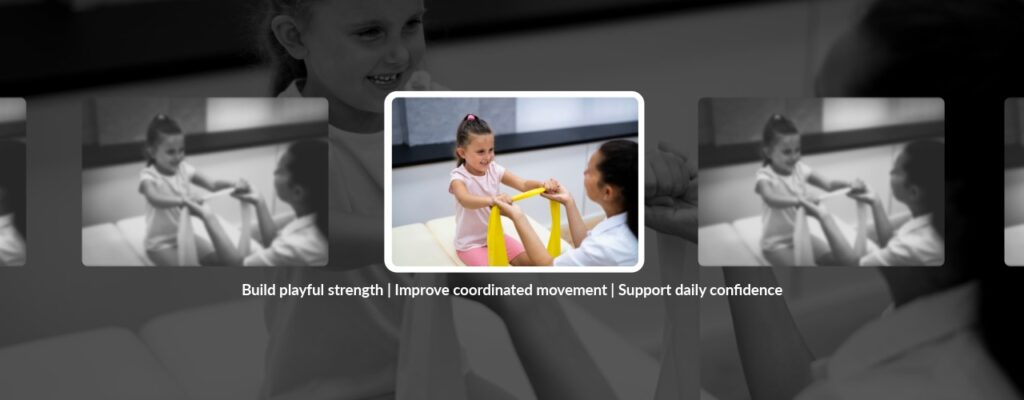
When a child starts physical therapy, parents often wonder what actually happens in the gym or treatment room. The phrase physical therapy modalities for kids can sound technical, but it really just means the different tools and methods therapists use to help children heal, move better, and stay active. At Orchard Park Progressive Physical Therapy, pediatric physical therapists carefully select these tools to ensure each child receives care tailored to their age, abilities, and goals.
Understanding Physical Therapy Modalities For Kids
In simple terms, modalities refer to the methods a therapist uses to help the body change. For children, that might mean games on the floor, balance tasks, strength activities, or hands-on work that loosens tight areas. The goal is always to support real-life skills, such as walking, climbing steps, or playing at recess.
No single approach works for every child. Therapists assess a child’s movement, identifying which muscles feel tight or weak, and determine which daily tasks are most important. Stretching helps joints and muscles move more freely, but stretching alone does not build strength. Long periods of rest can lead to stiffness and weaker muscles, so therapists plan active sessions that slowly challenge the body in safe ways.
Seven Modalities That Help Children Heal And Grow
Therapists use many tools, but these seven are particularly prevalent in pediatric care. Together, they form a helpful mix of work and play.
Therapeutic Exercise
- Simple strength and flexibility exercises help muscles support the body better. For kids, this might look like bridges, wall sits, scooter board work, or animal walks that feel more like games than workouts.
Play-Based Strength and Balance Activities
- Children learn through play. Therapists might use stepping stones, relay games, or tug-of-war to build leg, core, and arm strength while also improving balance.
Manual Therapy
- With gentle hands-on techniques, the therapist helps stiff joints and tight muscles move more easily. This can make it more comfortable for a child to practice active movements right after.
Gait and Mobility Training
- If walking or running is hard, the therapist practices these skills directly. That might involve working on stride length, foot placement, or using walkers and other devices in a safe and supported manner.
Posture and Body Mechanics Training
- Children may slump when they sit, lean to one side, or exhibit patterns of movement that strain certain areas. Therapists teach simple posture cues and body positions that protect growing joints during school, play, and sports.
Task-Specific Practice For Daily Skills
- Therapists break real tasks into smaller parts. Getting up from the floor, stepping onto a curb, or standing from a low chair all become practice activities that build confidence.
Neuromuscular Re-Education and Coordination Drills
- These activities help the brain and muscles work together more smoothly. Examples include stepping patterns on a floor ladder, catching and throwing while standing on an uneven surface, or timed movement games.
All of these physical therapy modalities for kids aim to turn skill practice into something active and engaging.
How Therapists at Orchard Park Progressive Physical Therapy Choose the Right Modalities
Before choosing any tools, a therapist at Orchard Park Progressive Physical Therapy completes a thorough evaluation. They ask about your child’s history, current challenges, and what you hope will change. Then they check strength, flexibility, balance, coordination, and how your child moves during simple tasks.
Several factors guide the choice of physical therapy modalities for kids:
- Age and stage of development
- Type of condition or injury
- Skills needed at home, school, and in the community
- How the child responds to different games and activities
From there, the therapist builds a plan that uses progressive loading. This means starting with easier tasks, then slowly increasing the challenge so the body can adapt without becoming overwhelmed.
We’re Ready To Help Your Child Heal And Grow
When you understand physical therapy modalities for kids, therapy feels less mysterious and more like a set of clear tools designed for your child. Pediatric therapists at Orchard Park Progressive Physical Therapy explain each activity in simple language, invite questions, and involve families in planning goals. If you want guidance on how physical therapy could support your child’s recovery, movement, or daily independence, contact Orchard Park Progressive Physical Therapy to schedule a visit and learn how a personalized pediatric therapy plan can fit into your child’s life and routines.